What Cappella Actually Was
Cappella was a real drumstick manufacturer, not a random brand you're misremembering. John C. Cappella and his brother Tom started a small wood turning shop in New Jersey in 1955, and that's where they learned to make drumsticks. The company grew into a major supplier — Cappella made sticks for well-known drum companies including Gretsch, Slingerland, and Rogers, often under those brands' own names.
They also made their own signature models, including one called the E.J. Model, and session drummer Hal Blaine had a signature line with Cappella (sometimes spelled "Capella" in old ads — there's one from 1991 with his name on it).
Why You're Still Seeing the Name Today
The original Cappella company no longer operates. That's exactly why original Cappella sticks show up on sites like eBay and Reverb as rare, used items — jazz-sized sticks, 5As, and other old stock that collectors and curious drummers buy up. If you inherited a kit from a family member and found a pair of Cappella sticks in the bag, that's one common way beginners run into the name now — not by buying them new, since you can't.
Separately, there's a current online business using the Cappella Drumsticks name and branding, calling itself "The Drumstick People." Nothing in what's documented about it confirms it's the same operation, run by the same people, or making sticks to the same standard as the original 1955 company — so treat it as a different, unverified entity rather than assuming continuity.
Are Vintage Cappella Sticks Worth Using?
If a pair landed in your lap for free, sure — try them. Roll each stick on a flat table to check it isn't warped, and look it over for cracks or splinters before you hit anything with it.
But don't build your whole practice routine around them. Some drummers who've bought Capella sticks describe getting pairs that were warped or broke quickly — and that's a real risk with any stock that's been sitting around for decades, since wood degrades and old inventory wasn't necessarily stored well. A stick snapping mid-groove is annoying at best; it's also one more variable making it harder to tell if a timing or technique problem is you or your gear.
For a beginner, consistent, matched pairs matter more than a nostalgic name. If you want sticks you can count on, start with something from our best drum sticks for beginners guide instead — you'll get a known weight, size, and tip shape instead of a mystery pair of unknown age.
Should You Buy Vintage Cappella Sticks on Purpose?
As a piece of drum history — sure. If you're into old gear and want a pair of E.J. Models or something tied to Hal Blaine's line, that's a reasonable collector's purchase, and it's sold as exactly that: a rare, used item, not a fresh product with any guarantee.
As your actual practice sticks — not really. You have no way to know how the wood has held up, whether the pair is properly matched, or whether it'll hold together through a normal practice session. None of that matters much if the sticks are sitting on a shelf. It matters a lot if you're relying on them every day.
What Actually Matters When You Pick Sticks
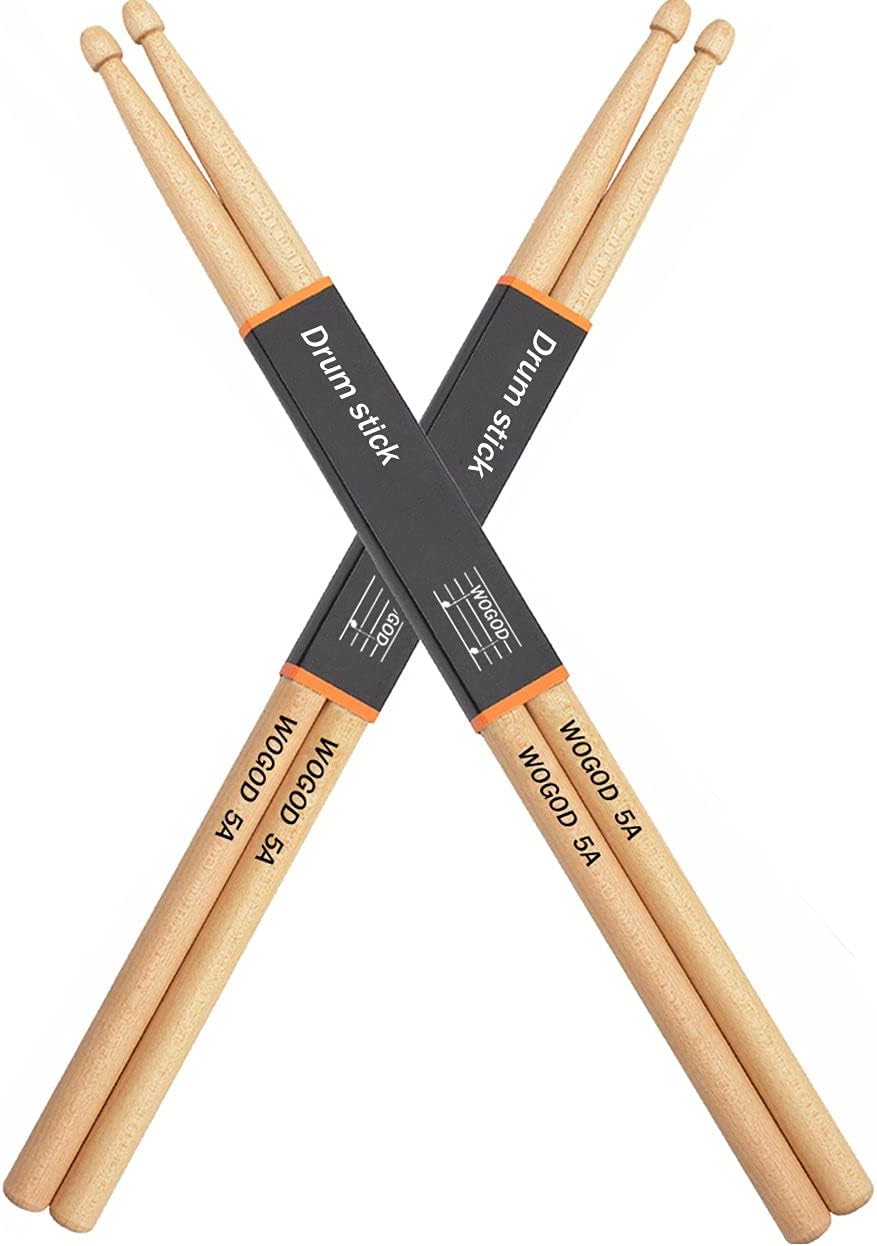
Setting the Cappella name aside, the things that matter for a beginner pair of sticks are simple: weight (a 5A is a common beginner size), tip shape (wood tips give a slightly different cymbal sound than nylon), and whether the pair is actually straight and matched. Brand history doesn't change how a stick feels in your hand.
If you're also practicing quietly — in an apartment, late at night, or just don't want to set up the full kit — pairing any sticks with a practice pad is worth doing regardless of what sticks you're using.
Bottom Line
Cappella has real drumming history — decades supplying sticks to major drum brands and even a Hal Blaine signature line. If you inherited a pair, try them once you've checked they're sound. But for the sticks you actually practice with every day, buy new, consistently made ones rather than chasing old stock or an unverified modern brand using the same name.