The accessories that actually matter for a beginner are the ones that protect your hearing, keep time steady, and make practicing possible without upsetting the neighbors. A drum key, a metronome, and something to muffle sound do more for your progress than any shiny extra. Everything else — cases, rugs, mutes — is nice to have once the basics are covered.
What "accessories" means for a drummer
On a drum kit, an accessory is anything that isn't the drums, cymbals, or hardware but still helps you play or practice. Think of it as the supporting cast: the drum key that tunes your heads, the sticks you hit them with, the throne you sit on, and the small tools that make daily practice less annoying. None of these are optional in the way a second crash cymbal is optional — many beginners end up needing at least a few of them from day one.
What actually matters early on
You don't need a shelf full of gear. A handful of accessories cover almost every early problem: noise, timing, and comfort.
Protecting your hearing
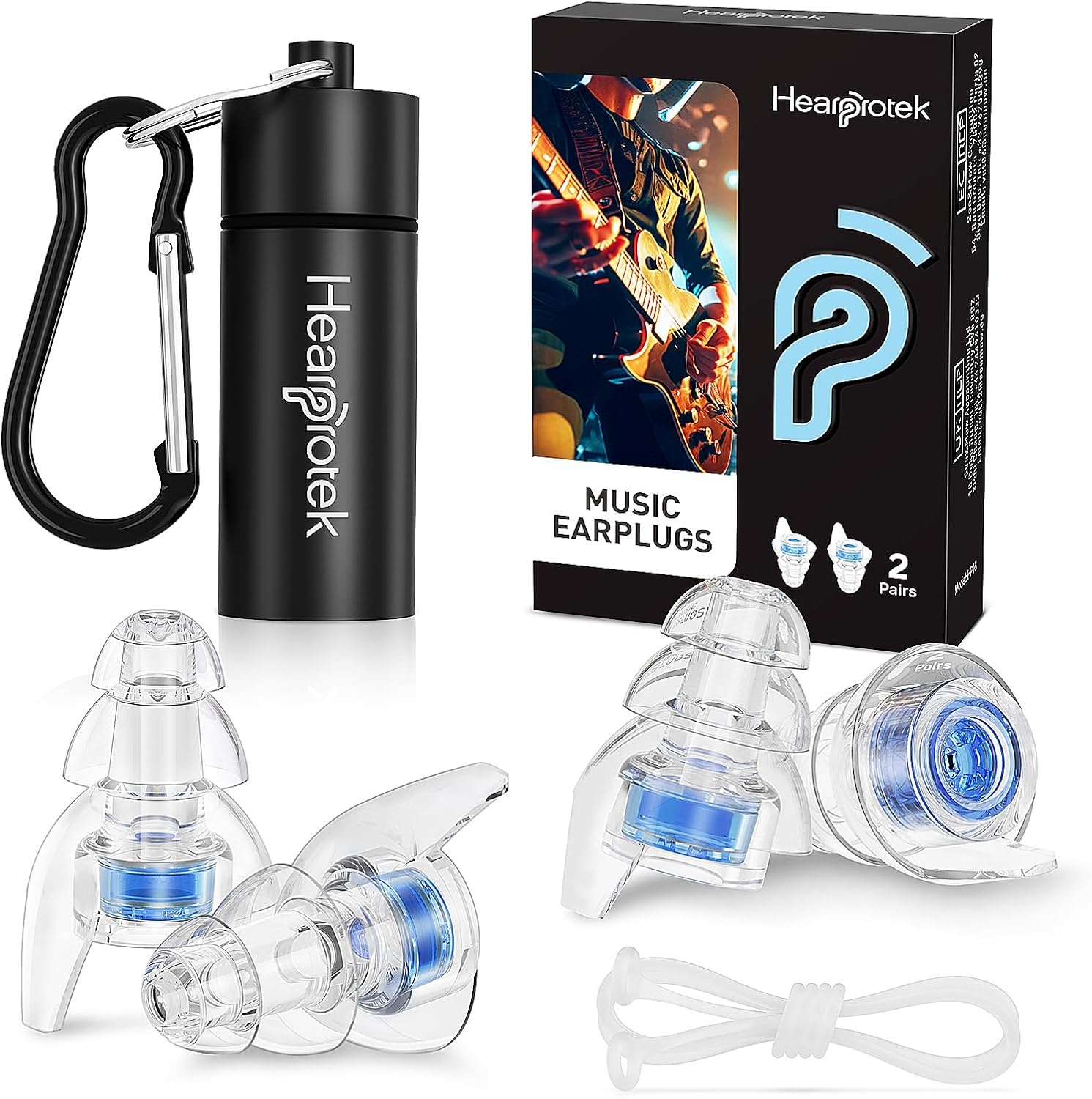
Acoustic drums are loud enough to cause damage over time, and this is easy to ignore when you're excited to play. A pair of ear plugs made for drumming lowers the volume without muddying the sound, so you can still hear the kit clearly. If you're on an electronic drum set, a decent pair of headphones for electronic drums does a similar job — it keeps you at a safe, controlled volume instead of cranking a small amp.
Keeping time
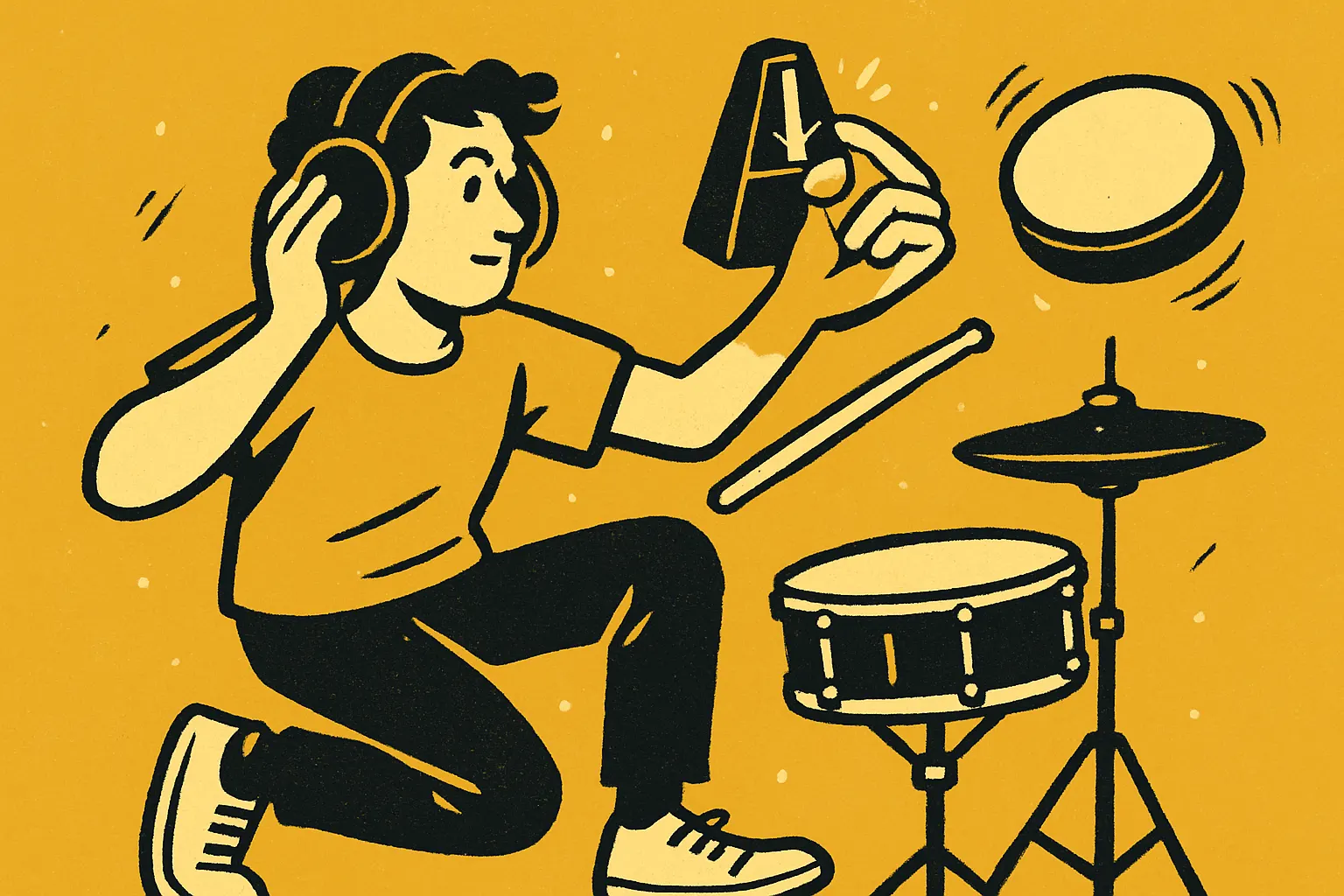
A metronome isn't glamorous, but it's one of the few tools that gives you honest feedback on your playing. Many electronic kits have one built in; otherwise, a phone app or a basic clip-on metronome works fine. Pair it with a practice pad if you want to work on sticking and speed without setting up the full kit every time.
Comfort while you play
A wobbly chair or the wrong seat height causes fatigue and bad posture fast. A dedicated drum throne adjusts to your height and stays stable, which matters more than it sounds once you're an hour into practice.
Keeping the kick steady
If your bass drum pedal is cheap or worn out, it can feel sluggish or inconsistent no matter how much you practice. A solid bass drum pedal removes that variable so you're troubleshooting your technique, not your gear.
Keeping the peace at home
If you live in an apartment or share walls, an anti-vibration mat or riser helps cut down the low-frequency rumble that travels through floors, even if it won't silence the drums entirely.
Smaller accessories worth having
- Drum key — the small wrench-like tool used to tune drum heads and tighten hardware. Keep one on your key ring or in your stick bag; you'll need it more often than you expect.
- Stick bag — keeps your sticks, key, and small tools together instead of scattered around the room.
- Practice mutes or moongel — rubber pads or gel dots that sit on drum heads to dampen volume and control ring. Useful for quiet practice, though they change the feel and tone of the drum.
- Cymbal felts and sleeves — the small parts that protect cymbals from cracking against metal stands. Usually included with new cymbals, but worth having spares.
What you can skip at first
Drum rugs, branded cases, decorative hardware, and multi-piece accessory kits look appealing but don't solve a beginner problem. If money is tight, spend it on hearing protection, a metronome, and a stable seat before anything decorative. You can always add extras later once you know what you actually use.
How to prioritize if you're on a budget
- Ear plugs or headphones (protect your hearing first)
- A drum key (you can't tune or tighten anything without one)
- A metronome (free apps count)
- A stable throne (comfort affects how long and well you practice)
- Everything else, as needed
Start with what solves a real problem you already have, not what looks complete in a photo.